Ancestral Ceremonies

Talking Circle Ancestral Ceremonies Temazcal Thermal Cenote Niños Santos Ceremony Organic Food

Niños Santos

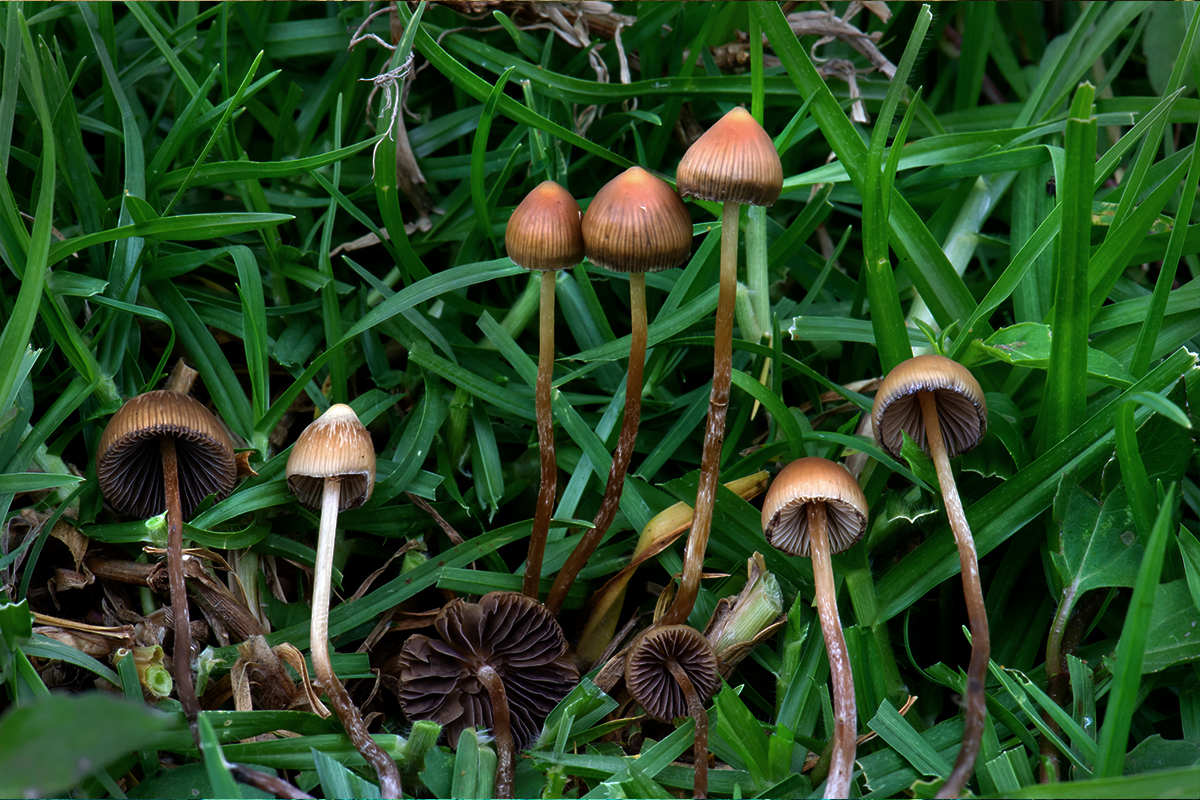
Niños Santos, scientifically known as Psilocybe mexicana, are sacred mushrooms used by several Indigenous cultures in ceremonial practices associated with healing and expanded awareness. Their active compound, psilocybin, has also been studied in neuroscience and clinical research for its potential effects on perception, emotional well-being, and deeply introspective experiences.

Benefits

With appropriate guidance and support, such as that offered by the medium “Angeóloga Masara,” the Niños Santos experience is intended to help participants:


  • Explore and release emotional blocks and past experiences.
  • Broaden awareness and perspective on life.
  • Reconnect with your sense of self and purpose.
  • Approach healing through compassion and deep introspection.

The Legacy of MarĂ­a Sabina


This ancestral practice became widely known in the Western world through María Sabina, a respected Mazatec healer from Oaxaca, Mexico. She worked with Niños Santos in sacred ceremonies centered on spiritual connection, insight, healing, and release. Her legacy is a reminder to approach the tradition with respect and to recognize its ceremonial roots.
Everything you need to know before your experience

The Niños Santos ceremony begins at 8:00 p.m. with meditation and the ceremonial intake, followed by approximately 3 to 4 hours of personal work. Afterwards, participants take part in an integration period to reflect on the experience and what they learned, with individual or group healing work when appropriate. A few hours of rest are then recommended, followed by a shared breakfast and a closing message at around 8:00 a.m.

• For at least 3 days before and after, avoid red meat and choose fish, chicken, vegetables, and fruit; drink plenty of water and stay well hydrated. • Avoid alcohol and smoking. • Do not use other substances. • On the day of the ceremony, a single light meal is preferred; if you become very hungry, choose fruit or vegetables and continue drinking plenty of fluids.

• Comfortable, warm clothing, preferably in light colors or white. • A sleeping mat or sleeping bag. • A blanket and pillow. • Plenty of fluids for hydration. • Optional: food to share, such as fruit, salads, nuts, seeds, bread, crackers, or canned tuna. At the end, participants gather to share the food brought by the group.

The grounds are spacious, access-controlled, and surrounded by nature, with beautiful views of the forest and lakes. Camping areas are available if you bring your own tent, along with restrooms and a grilling area with tables and chairs. Additional cabins are also being developed for guest accommodations.

Yes. Many people choose to experience it on their own.

Yagé

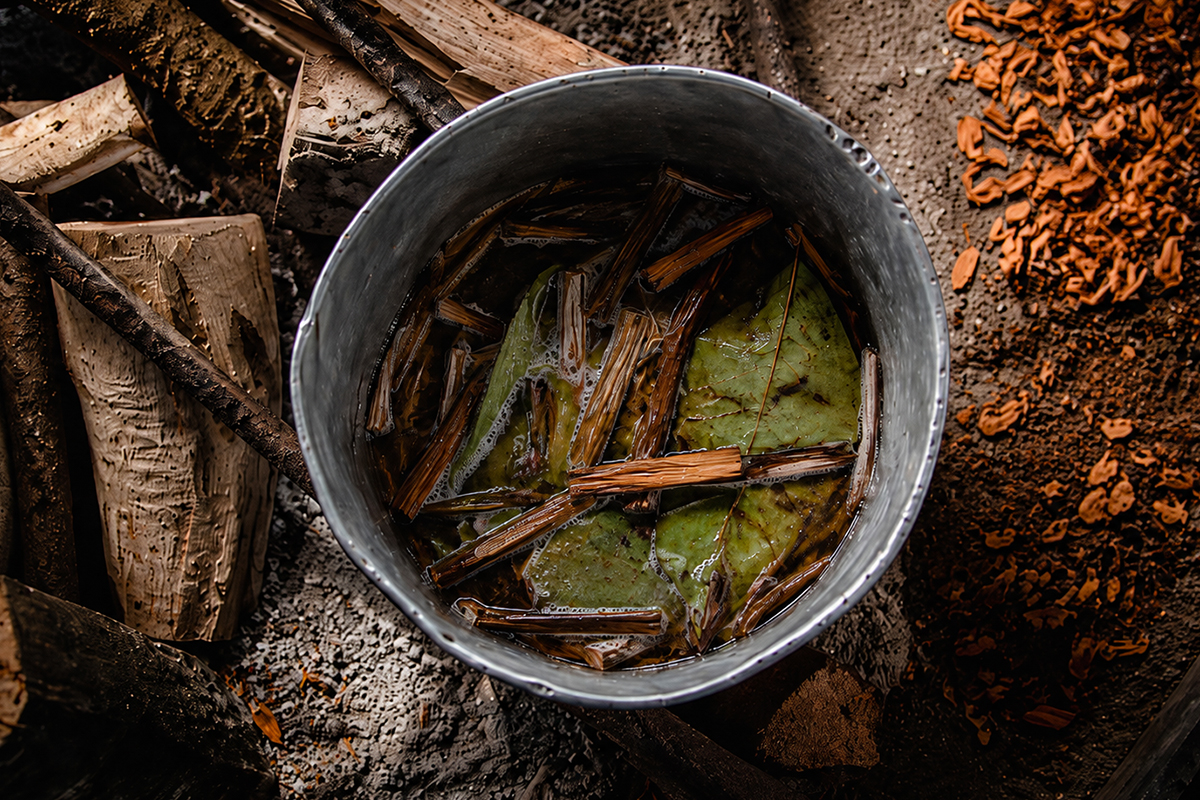
Yagé (also spelled yajé) is an entheogenic brew used in traditional rituals by Indigenous communities of the Amazon, particularly in Colombia, Ecuador, Peru, and Brazil. It is commonly prepared from the Banisteriopsis caapi vine together with other plants such as Psychotria viridis. The experience can be intense and may include challenging physical or emotional effects, which is why traditional guidance, preparation, and respect for the practice are central to the ceremony.

The Legacy of Colombian Indigenous Peoples


This ancestral practice comes from Indigenous peoples of the Colombian Amazon, where Yagé has long been used in sacred ceremonies centered on spiritual connection, insight, healing, and release. Their traditions remind us that the practice should be approached with respect for its cultural and ceremonial roots.

Benefits


  • Explore and release emotional blocks and past experiences.
  • Deepen respect and appreciation for nature.
  • Broaden awareness and perspective on life.
  • Reconnect with your sense of self and purpose.
  • Approach healing through compassion and deep introspection.


Everything you need to know before your experience

The Yagé ceremony begins at 8:00 p.m. with a Talking Circle and the ceremonial intake, followed by approximately 4 to 6 hours of personal work. Afterwards, participants move into an integration period to reflect on the experience and what they learned, with individual or group healing work when appropriate. A few hours of rest are then recommended, followed by a shared breakfast and a closing message at around 8:00 a.m.

  • For at least 3 days before and after, avoid red meat and choose fish, chicken, vegetables, and fruit. Drink plenty of water and stay well hydrated.
  • Avoid alcohol and smoking.
  • Do not use other substances.
  • On the day of the ceremony, a single light meal is preferred; if you become very hungry, choose fruit or vegetables and continue drinking plenty of fluids.

  • Comfortable, warm white clothing.
  • A sleeping mat or sleeping bag, blanket, and pillow.
  • Plenty of fluids for hydration.
  • Optional: food to share, such as fruit, salads, nuts, seeds, bread, crackers, or canned tuna. At the end, participants gather to share the food brought by the group.

The grounds are spacious, access-controlled, and surrounded by nature, with beautiful views of the forest and lakes. Camping areas are available if you bring your own tent, along with restrooms and a grilling area with tables and chairs. Additional cabins are also being developed for guest accommodations.

  1. Complete the general information form and brief medical history at: https://docs.google.com/forms/d/e/1FAIpQLSefuxpdgVg0zQpRpfWsORBKlE7YIpOK6EDXD5EJhlDKFWSAtg/viewform?usp=header
  2. Pay a 50% deposit and send your payment receipt through one of the following channels: WhatsApp: +52 56 1013 2777 Email: contacto@ojodevida.com Bank: BBVA Beneficiary: Jeniffer Gonzalez Jimenez Account: 151 154 6843 CLABE: 0121 8001 5115 468430
  3. Once your information and payment have been reviewed, our team will contact you to schedule a brief video interview. You will then receive the Ojo de Vida address and location link, near Arcos del Sitio in Tepotzotlán, State of Mexico.